Proposals include simpler part-time work permits and new pathways to employment and long-term residence
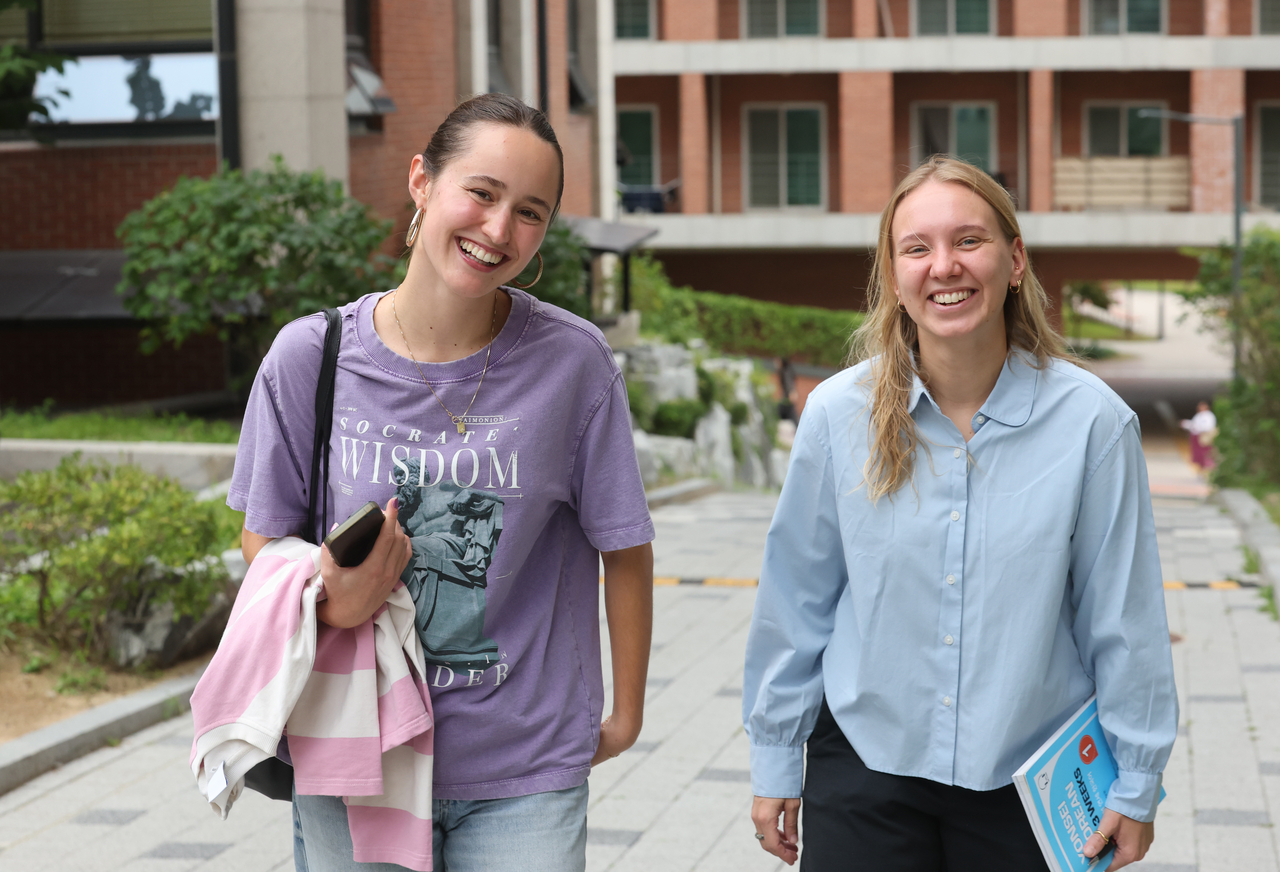
South Korea plans to waive proof-of-funds requirements for international students who meet Korean-language standards and introduce a visa pathway for gap-year study, the Justice Ministry said Wednesday.
The package also includes simpler rules for part-time work and new pathways for graduates to find jobs and settle in Korea.
The number of international students residing in Korea rose from around 200,000 in 2022 to more than 300,000 last year, reaching about 350,000 as of August, according to ministry data.
The proposals follow about five months of discussions by a public-private consultative body launched in April involving experts in higher education, education policy and immigration.
As international students have a growing impact on the economy and local communities, the ministry said it aims to shift from attracting students to supporting their education, employment and long-term settlement.
Measures within the ministry’s authority will begin to be implemented this year, while proposals requiring coordination with other ministries will be developed through further government discussions.
“International students are a key talent for Korea’s immigration policy,” acting Justice Minister Lee Jin-soo said.
“We will provide greater opportunities for growth to students who have a genuine purpose for studying and the necessary capabilities, while responding firmly to cases in which the student visa system is abused.”
Korean proficiency to ease financial requirements
Under the plan, students meeting specified Korean-language standards would be exempt from separately proving that they have sufficient funds to cover tuition and living expenses.
Qualifying standards include attaining Level 4 or higher on the Test of Proficiency in Korean, or TOPIK, or completing Level 4 of the Korea Immigration and Integration Program.
For applicants subject to closer scrutiny over the risk of overstaying or unauthorized employment, the ministry plans to expand a deposit system requiring study funds to be held in an account for a specified period.
The ministry will also standardize procedures for verifying overseas academic credentials and share the guidelines with universities. It plans to work with Korean diplomatic missions abroad on a registration system for overseas student recruitment agencies.
A new gap-year visa track would allow eligible students to explore academic and career opportunities in Korea before entering university.
Simpler part-time work rules
The government plans to simplify eligibility requirements for international students seeking part-time work to focus on Korean-language proficiency and academic performance, while tightening the language requirement to Level 3 of the Korea Immigration and Integration Program.
Application procedures will be streamlined by waiving additional documentation requirements for students who submit a part-time employment confirmation issued by their university.
Oversight will meanwhile be tightened on weekend, evening and online programs operated in ways that effectively facilitate employment rather than study.
Departments running such programs could lose preferential visa treatment, including simplified documentation requirements, even if their universities otherwise qualify for those benefits.
New routes to employment and residence
The government plans to differentiate the permitted stay under the D-10 job-seeking visa according to graduates’ Korean-language proficiency and preparedness for employment, with periods ranging from one to three years.
Science and engineering students who meet Korean-language and other requirements could be allowed to switch to E-7 work visas for jobs in designated sectors, including manufacturing.
The ministry also plans to introduce a “K-Tech Master Visa,” a work visa for international graduates of specialized technical master’s programs, providing a pathway from study to employment and long-term residence.
A multiple-entry visa for international alumni who have returned home would make it easier for them to visit Korea and maintain ties after graduation.
More guidance and administrative support
An online platform will offer step-by-step guidance on how students can change their residency status based on their qualifications and regional labor demand.
An occupation-specific checklist will explain requirements for employment visas.
The ministry plans to establish five dedicated student visa and residency support centers at regional immigration offices, allowing students to handle visa applications and related procedures in one place.
It will also expand online immigration services and regularly publish data and analysis on international students’ residency and settlement.
seungku99@heraldcorp.com